
English Blog
Can debt collectors harass me in Canada?
Reading Time
7 MINUTE READ
Instagram
Facebook
X-twitter
Youtube
Telegram
Linkedin
Tiktok
Can debt collectors harass me in Canada?
You might ask yourself if debt collectors are allowed to harass you in Canada. We aim to answer this question in this blog post.
Introduction
Dealing with creditors can be a stressful experience, especially when facing financial difficulties. In Canada, individuals have specific rights that protect them from harassment by creditors. This blog post aims to educate you on these rights, helping you navigate through such situations with greater confidence and knowledge.
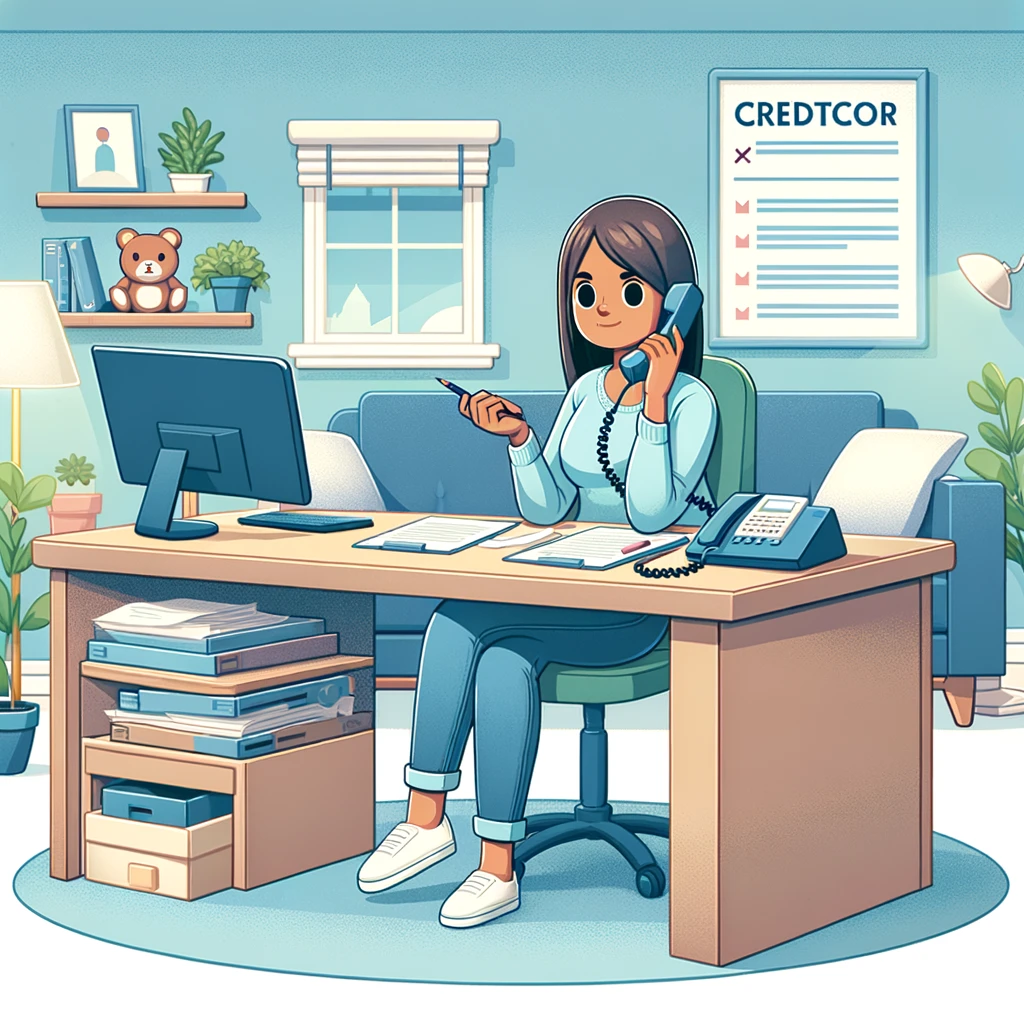
What Constitutes Creditor Harassment?
Definition and Examples
Creditor harassment refers to any repeated or systematic action by a creditor that is intended to pressure you into paying your debt. This can include excessive phone calls, threats, use of abusive language, and other forms of intimidation.
Recognizing Illegal Practices
Understanding what actions cross the line into harassment is crucial. While creditors have the right to contact you regarding unpaid debts, there are legal limits to how and when they can do so.
Your Legal Rights Under Canadian Law
The Collection and Debt Settlement Services Act
This Act sets out the rules that collection agencies and creditors must follow when collecting debts. It includes restrictions on the times of day creditors can contact you, the frequency of contact, and the use of threatening language.
Privacy Rights
Creditors cannot discuss your debt with anyone other than you without your permission, except under specific circumstances outlined in the law.
How to Deal with Creditor Harassment
Documenting the Harassment
Keep a record of all interactions with the creditor. Note down dates, times, and the nature of the conversations. This documentation can be crucial if legal action becomes necessary.
Communicating Effectively with Creditors
It’s often beneficial to maintain open lines of communication with creditors. Be clear about your financial situation and, if possible, propose a realistic repayment plan.
Seeking Legal Assistance
If you believe a creditor is violating your rights, consult with a legal professional. They can provide guidance on how to proceed and, if necessary, represent you in legal proceedings.
Strategies for Managing Debt
Debt Consolidation
Consolidating multiple debts into a single payment can make it easier to manage repayments and potentially reduce the amount of interest you’re paying.
Credit Counselling
Credit counselling services can provide valuable advice on managing debt and negotiating with creditors.
Consumer Proposals and Bankruptcy
In extreme cases, filing a consumer proposal or declaring bankruptcy might be an option. Both have significant financial implications, so professional advice is crucial before taking this step.
Conclusion
Understanding your rights is the first step in dealing with creditor harassment. By being informed and taking proactive steps, you can manage your debt in a way that respects your rights and dignity.
This blog post provides a comprehensive overview of your rights against creditor harassment in Canada. It’s designed to be informative, engaging, and educative, helping readers understand their legal protections and options. For a more detailed and specific legal strategy, individuals should always consult with a legal professional.
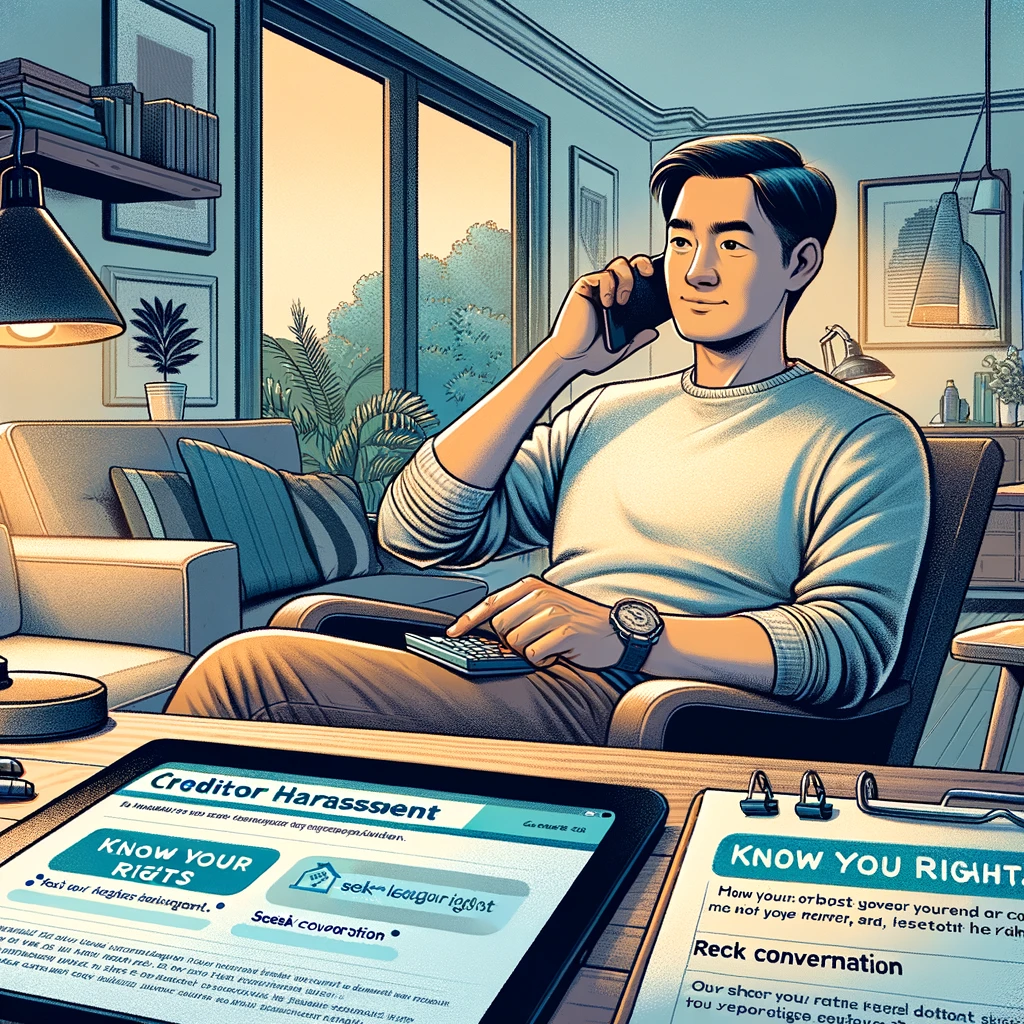
A consumer proposal is a legally binding process where you pay a portion of your debts through a trustee. It's an alternative to bankruptcy and can provide relief from creditors.
Yes, lawyers can certainly assist in situations where a debtor is being harassed by creditors. Here are some ways in which a lawyer can help:
- Legal Advice: A lawyer can provide you with detailed legal advice on your rights and obligations regarding debt collection. They can explain what constitutes harassment under the law and what does not.
- Assessment of Creditor Practices: A lawyer can review the actions of the creditors or collection agencies to determine if they are violating any laws or regulations pertaining to debt collection.
- Representation and Communication: If necessary, a lawyer can communicate with the creditors on your behalf. This can be particularly helpful if the creditors are not adhering to legal collection practices, as lawyers can formally demand that they cease any illegal activities.
- Negotiating Settlements: Lawyers can negotiate with creditors to reach a settlement that is manageable for you. This might include negotiating a reduction of the debt, setting up a payment plan, or other arrangements.
- Legal Action: In cases where creditors are blatantly violating the law, a lawyer can help you take legal action. This could involve suing the creditor for harassment or seeking a court order to stop their illegal practices.
- Guidance on Debt Relief Options: Lawyers can provide advice on debt relief options like filing for bankruptcy or submitting a consumer proposal, explaining the implications and processes involved.
- Protection of Rights: A lawyer ensures that your rights are protected throughout the debt collection process. This includes ensuring that debt collectors don’t use illegal or unethical tactics to collect debts.
In summary, involving a lawyer can provide a debtor with legal protection, practical advice, and peace of mind when dealing with creditor harassment. It’s important to choose a lawyer experienced in consumer debt and collection law for the most effective assistance.
Frequently Asked Questions
What qualifies as creditor harassment in Canada?
Creditor harassment includes excessive phone calls, threats, use of abusive language, or any repeated actions intended to pressure you into paying a debt. It’s important to distinguish between legitimate debt collection practices and harassment.
How often can a creditor legally contact me about a debt?
The law restricts the frequency of contact. Creditors cannot call you an unreasonable number of times or at inappropriate hours. Typically, this means no contact before 7 am or after 9 pm, but this can vary by province.
Can creditors discuss my debt with family or friends?
No, creditors are not allowed to discuss your debt with anyone other than you, unless they have your explicit permission or are legally entitled to do so.
What should I do if I feel I’m being harassed by a creditor?
Document every interaction with the creditor, including dates, times, and conversation details. If harassment continues, seek legal advice to understand your options and possibly take action.
Can I stop creditors from contacting me at work?
Yes, you can request creditors not to contact you at your workplace. If they continue to do so, it can be considered harassment.
Is it a good idea to ignore calls from creditors?
Ignoring creditors is not advisable as it could escalate the situation. It’s better to communicate openly about your financial situation and, if possible, negotiate a repayment plan.
Can a creditor take legal action if I don’t pay my debts?
Yes, creditors have the right to take legal action to recover debts. However, this is typically a last resort after other collection efforts have failed.
What is a consumer proposal, and how can it help?
A consumer proposal is a legally binding process where you pay a portion of your debts through a trustee. It’s an alternative to bankruptcy and can provide relief from creditors.
How can credit counselling help me?
Credit counselling services offer advice and strategies for debt management and can assist in negotiating with creditors. They can help you create a plan to pay off your debts in a manageable way.
What are my rights if a debt collector violates the Collection and Debt Settlement Services Act?
If a collector violates this Act, you have the right to file a complaint with the relevant regulatory body in your province. In some cases, you may also pursue legal action for damages.
Visit Clicklaw: I am being harassed by debt collectors. Are they allowed to do that? for more free information.
The information presented is for informational and educational purposes only and may not be accurate. This information does not replace getting legal advice from a qualified, practicing lawyer. If you are facing a legal dilemma, you should make an appointment and consult with one of our licensed and practicing lawyers.
Table of Contents
-
You might be interested in…
Follow Us
Instagram
Facebook
X-twitter
Youtube
Telegram
Linkedin
Tiktok
