
English Blog
Extending Your Canadian Visitor Visa: A Complete Guide
Reading Time
15 MINUTE READ
Instagram
Facebook
X-twitter
Youtube
Telegram
Linkedin
Tiktok
Extending Your Canadian Visitor Visa: A Complete Guide
Staying legally in Canada beyond your visa’s validity requires a thoughtful approach and a well-crafted visa extension application. But where do you start? With the right knowledge and understanding of the visa extension requirements and application process, you can navigate the complexities of Canadian immigration law with confidence. This allows you to focus on what truly matters: building a successful life in Canada, exploring its breathtaking landscapes, and contributing to its vibrant multicultural society.
Understanding the Basics of Visa Extension in Canada
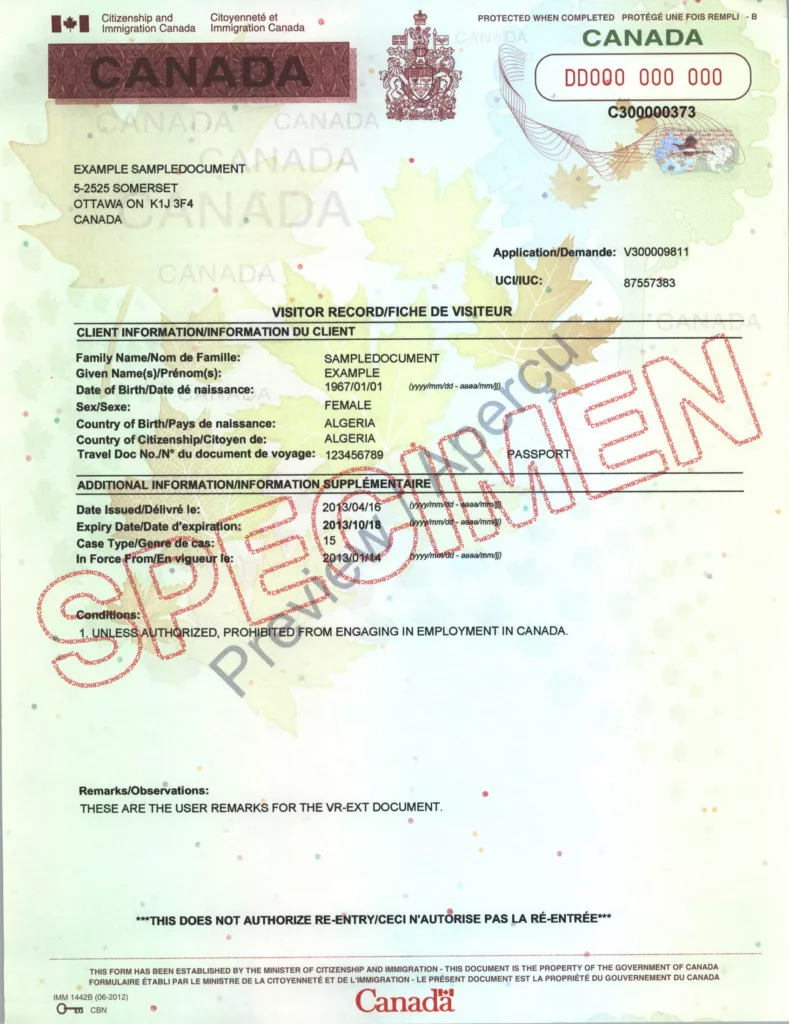
The basis of extending your stay in Canada legally revolves around comprehending what a visa extension is and determining the ideal time to apply for one. A visa extension, also known as a visitor record, is a document that allows non-residents to stay in Canada longer than the validity of their current visa. It doesn’t alter the type of visa but merely extends the time of legal stay in Canada.
You may wish to apply for a visa extension for various reasons, including further studies, longer business engagements, or simply to enjoy more time with family and friends. Timely application for your visa extension is crucial, as the Canadian government recommends applying at least 30 days before your current visa expires.
What is a Visa Extension?
In Canadian immigration law, a visa extension is a legal way of prolonging your stay beyond the period initially granted by your visa. It’s important to note that an extension doesn’t change your immigration status – if you came as a visitor, you remain a visitor, albeit for a longer time.
The process involves an application to Immigration, Refugees and Citizenship Canada (IRCC), where you’ll need to demonstrate your genuine reason to stay longer, provide supporting documentation, and pay the required fees. You’ll also need to show that you maintain the means to support yourself financially during your extended stay and intend to leave Canada at the end of your authorized stay.
Remember, you must apply for the extension before your current visa expires. If you fail to do this, you’ll be considered “out of status” and could face legal consequences, including deportation and barred re-entry into Canada for a period.
Example of a Visitor Record
When Should You Apply for a Visa Extension?
The ideal time to apply for your visa extension is a crucial factor in your overall application’s success. As a rule of thumb, it’s advisable to apply for an extension at least 30 days before your current visa expires. This gives the IRCC adequate time to process your application.
However, it’s important to note that the processing times can vary depending on several factors such as the type of application, the volume of applications at the time, and whether your application is complete. Therefore, it’s always better to apply as early as possible. Even if your current visa expires while you’re waiting for a decision, you’re legally covered under what’s known as “implied status” until a decision is made on your application.
Key Takeaways
- A visa extension allows you to legally prolong your stay in Canada beyond the period initially granted by your visa.
- You should apply for your visa extension at least 30 days before your current visa expires.
- An extension doesn’t change your immigration status, but failing to apply in time could have legal consequences.
Essential Requirements for a Visa Extension
In order to successfully extend your stay in Canada, you must meet certain requirements. While these requirements may vary depending on your specific circumstances, they generally involve providing supporting documentation, demonstrating financial stability, and maintaining a clean record with Canadian immigration authorities.
Visa Record Requirements
| Requirement | Description |
|---|---|
| Application Form | Completed and signed application for Visitor Record form. |
| Current Immigration Status | Proof of current status in Canada, such as a study permit, work permit, or current visitor visa. |
| Passport | Copy of the passport pages with personal details and current visa. |
| Financial Proof | Evidence of financial means to support the stay in Canada such as bank statements, a letter of support, or proof of employment. |
| Reason for Extension | A letter explaining the reasons for extending the stay in Canada. |
| Application Fee | Proof of payment of the application fee. |
| Photographs | Passport-sized photographs as per the specifications provided by IRCC. |
| Additional Documents | Any additional documents that may support your application or are specifically requested by IRCC. |
Document Checklist for Visa Extension
A comprehensive list of documents is necessary when applying for a visa extension. These include:
- A copy of your current visa or permit.
- Proof of Payment.
- Passport pages showing your passport number, date of issue and expiration, your photo, name, date, and place of birth.
- Proof of your current status in Canada (e.g., study permit, work permit).
- A letter explaining why you want to extend your stay.
- Evidence of means of financial support.
- Family Information form (IMM 5707 or IMM 5645, depending on circumstances).
It’s important to double-check your application and ensure that you’ve included all the necessary documents. Any missing documents could delay the processing of your application or even lead to a rejection.
Financial Requirements and Proofs
Besides the necessary documentation, you also need to prove that you have enough money to support yourself (and any family members who are with you) during your extended stay. You can prove your financial ability through bank statements, proof of employment, or a letter from a person or institution providing you with money. It’s worth noting that the amount of money you’ll need can vary depending on the circumstances of your stay, the size of your family, and other factors.
Key Takeaways
- Certain requirements must be met to successfully extend your stay in Canada.
- A comprehensive list of documents and proof of financial stability are essential for your visa extension application.
- Ensure all necessary documents are included in your application to avoid potential delays or rejection.
Step-by-Step Guide to the Visa Extension Process
Once you have a clear understanding of the visa extension requirements, the next step is to familiarize yourself with the actual application process. Applying for a visa extension in Canada is a systematic process that requires diligent preparation, accurate submission of your application, and follow-ups after application submission.
Pre-Application Process
1. Review and Gather Documents
2. Write Letter of Explanation
3. Fill Out Application Form
Application Submission
1. Submit Application Online
2. Pay Application Fee
3. Receive Submission Confirmation
Post-Application Process
1. Track Application Status
2. Respond to IRCC Inquiries
3. Receive Decision
Pre-application Process
Before you start your application, it’s critical to review and gather all the necessary documents. Double-check the specific requirements depending on your situation (e.g., student, worker, or visitor). Make sure your documents are updated, accurate, and ready for submission. It’s also an excellent time to write your letter of explanation detailing why you want to extend your stay.
Once you have everything in order, the next step is to complete the application form. Remember to fill out the form honestly and accurately, as any inconsistencies or errors may affect the outcome of your application. It’s recommended to have a professional, such as an immigration lawyer or consultant, review your application to ensure its correctness.
Application Process
After you’ve completed your application, it’s time to submit it. You can apply online, which is usually faster and allows for easier tracking of your application status. Along with your application, you’ll need to pay the application fee. Make sure to get a receipt of your payment, as you’ll need to include it with your application.
It’s worth noting that you must remain in Canada while your application is being processed. If you leave Canada, your application could be cancelled. If you must leave Canada for any reason, you should consult with an immigration professional to understand the potential risks and implications.
Post-application Process
Once your application is submitted, it’s time to wait. You’ll receive a confirmation receipt, and then it’s a matter of waiting for the IRCC to process your application. During this period, it’s important to check your application status online and respond promptly to any requests for additional information.
You may need to book a biometrics collection appointment after you apply to avoid processing delays.
- Estimated processing time: 80 days — Estimated time can vary, check processing times here.
Processing times will vary based on:
- the type of application submitted
- if the application is complete
- how quickly we expect to process applications we’ve already received
- how easily we can verify your information
- how long you take to respond to any requests or concerns
- other factors
In case of approval, you’ll receive a new document, either a visitor record, a new work permit, or a new study permit, depending on your status. This document will provide details of your extended stay, such as the expiry date. If your application is refused, you’ll receive a letter explaining why.
Key Takeaways
- The visa extension process is systematic and requires diligent preparation, accurate submission, and follow-ups after submission.
- Before you start your application, review and gather all the necessary documents, complete the form accurately, and pay the application fee.
- After submission, track your application online and respond promptly to any requests from IRCC.
The Role of Immigration, Refugees, and Citizenship Canada (IRCC)

Immigration, Refugees, and Citizenship Canada (IRCC) is the federal institution responsible for the regulation of immigration in Canada. Their role includes processing visa and visa extension applications, setting immigration policy and guidelines, and providing resources to help individuals navigate the immigration process. Understanding their role and how they operate can be instrumental in successfully extending your visa.
How IRCC Processes Visa Extensions
The IRCC processes visa extensions in a systematic and thorough manner. Once an application is submitted, it is reviewed for completeness. If any documents are missing, the application may be returned without being processed.
The actual processing time can vary depending on the volume of applications, the completeness of your application, and the specific details of your situation. You can check the status of your application online on the IRCC website.
If your application is approved, you’ll receive a new visitor record or permit. If it’s denied, you’ll receive a letter explaining why. It’s essential to understand that the decision made by the IRCC is final and cannot be appealed, although in some cases, you may reapply.
Communicating with IRCC during Your Application Process
Communicating with the IRCC during your application process is mainly done through the IRCC’s online system. After you submit your application, the IRCC may request additional documents or information. It’s critical to respond promptly to these requests to avoid any delays in processing your application.
In the event of a change in your circumstances, you should also communicate this to the IRCC. This includes changes such as getting married or divorced, having a child, or moving to a new address. Remember, providing accurate and up-to-date information to the IRCC is key to ensuring your application is processed efficiently.
Key Takeaways
- The IRCC is responsible for the regulation of immigration in Canada, including processing visa extensions.
- IRCC processes visa extensions in a systematic and thorough manner, ensuring all submitted applications are complete and accurate.
- Effective communication with the IRCC during your application process can play a key role in the successful extension of your visa.
Potential Pitfalls and How to Avoid Them
When applying for a visa extension, it’s essential to avoid common mistakes that could lead to delays or rejections of your application. Understanding these pitfalls and knowing how to avoid them will increase your chances of a successful application.
Common Mistakes in Visa Extension Applications
One common mistake in visa extension applications is submitting the application too late. Remember, it’s essential to apply at least 30 days before your current visa expires to give IRCC enough time to process your application.
Another common mistake is not including all required documents or providing inaccurate or incomplete information. This can lead to delays or even rejections of your application.
Lastly, not demonstrating financial stability or providing a compelling reason for your extension can also lead to a denied application. Be sure to provide concrete proof of your financial resources and a clear and compelling letter explaining why you wish to extend your stay.
Best Practices to Avoid Delays or Rejections
To avoid the common mistakes mentioned above, consider these best practices:
- Start early: Begin your application process well in advance of your visa expiry date. This gives you ample time to gather documents and review your application thoroughly.
- Be thorough and accurate: Fill out your application form with complete and accurate information. Double-check all your entries and documents for errors before submission.
- Provide necessary proofs: Ensure you submit all required documents, including proof of financial stability and your letter of explanation.
- Stay updated: Keep an eye on your application status online and respond promptly to any requests from IRCC.
By following these best practices, you can minimize the chances of delays or rejections and increase the likelihood of a successful visa extension.
Key Takeaways
- Common mistakes in visa extension applications include submitting late applications, missing documents, inaccurate information, and weak justification for the extension.
- Best practices for avoiding these mistakes include starting early, being thorough and accurate, providing all necessary proofs, and staying updated on your application status.
Using Immigration Consultants and Lawyers

When dealing with complex immigration matters like visa extensions, you may want to consider seeking the help of professionals, like immigration consultants and lawyers. These experts can provide valuable advice, guide you through the process, and help avoid common mistakes.
Ready to navigate your immigration journey with ease? Pax Law is here to help, where expert lawyers are dedicated to turning your Canadian dreams into reality. – connect with Pax Law today!
Benefits of Hiring a Professional
Hiring an immigration consultant or lawyer can have several benefits. Professionals are familiar with the ins and outs of the immigration process and can guide you through your application, helping you understand the requirements and processes involved.
They can also help identify potential issues in your application and suggest ways to strengthen it. Additionally, they can represent you in communications with the IRCC, ensuring that all interactions are handled professionally.
Finding a Trusted Immigration Consultant or Lawyer
Finding a trusted immigration consultant or lawyer is crucial. You can start by seeking recommendations from friends, family, or other immigrants who have used such services.
You can also use online resources like the Canadian Association of Professional Immigration Consultants (CAPIC) or the Canadian Bar Association (CBA) to find certified professionals. Always verify the consultant or lawyer’s credentials and reviews before engaging their services.
Final Thoughts and Tips for Your Visa Extension Process
When it comes to extending your visa, understanding the requirements, completing your application accurately and in a timely manner, and effectively communicating with the IRCC are key.
Don’t hesitate to seek professional help if you’re unsure about any part of the process. Remember, every journey has its challenges, but with the right approach and preparation, you can overcome them and continue your Canadian journey with confidence.
Frequently Asked Questions
What should I do if my visa extension is rejected?
If your visa extension is rejected, the IRCC will provide a letter explaining the reasons for the denial. Review the reasons carefully to understand where your application fell short. You might be able to correct these issues and reapply. Consult with an immigration lawyer or consultant to better understand your options and plan your next steps.
Can I travel outside of Canada during my visa extension process?
Technically, you can leave Canada while your visa extension is being processed. However, if you choose to leave, your application will not be cancelled, but you may face challenges when reentering Canada without a valid visa. It’s recommended to stay in Canada until you receive a decision on your application.
How can I prove financial stability for my visa extension?
To prove financial stability, you may provide evidence such as bank statements, proof of employment and income, tax records, and other financial documents showing you can financially sustain yourself during your extended stay.
Can I apply for a work permit while my visa extension is being processed?
Yes, you can apply for a work permit while your visa extension is being processed. However, you must meet certain conditions, including being in Canada legally and complying with the conditions of your current visa.
How much time should I allocate for the entire visa extension process?
The time required for the visa extension process can vary greatly based on factors like the completeness of your application, volume of applications at IRCC, and specific details of your situation. It’s advised to apply at least 30 days before your current visa expires to allow ample time for processing.
Helpful Resources:
- Extend your stay in Canada: About the document [Government of Canada]
- Extend your stay as a visitor: Who can apply [Government of Canada]
- Extend your stay in Canada: How to apply [Government of Canada]
- Extend your stay in Canada: After you apply [Government of Canada]
- Temporary residents travelling outside Canada: What you need to re-enter to Canada [Government of Canada]
- What’s the difference between a visitor visa and a visitor record? [Government of Canada Help Center]
The information presented is for informational and educational purposes only and may not be accurate. This information does not replace getting legal advice from a qualified, practicing lawyer. If you are facing a legal dilemma, you should make an appointment and consult with one of our licensed and practicing lawyers.
Table of Contents
-
You might be interested in…
Follow Us
Instagram
Facebook
X-twitter
Youtube
Telegram
Linkedin
Tiktok
